
Domain 07
Family and Relationships
Long horizons make cooperation rational; most conflict here is coordination failure and information asymmetry, not opposed interests.
The long shadow of the future is what makes household cooperation stable without contracts, and it is also why the endgame problem is so brutal: behaviour changes sharply when a relationship is known to be ending, and that is structural rather than a revelation of true character. Chore division is usually positive-sum and treated as zero-sum — almost nobody hates the same tasks, so allocating by preference beats allocating by fairness. And the standing argument that neither person can end is chicken with an audience of two, where a face-saving exit is the fix and being right is not.
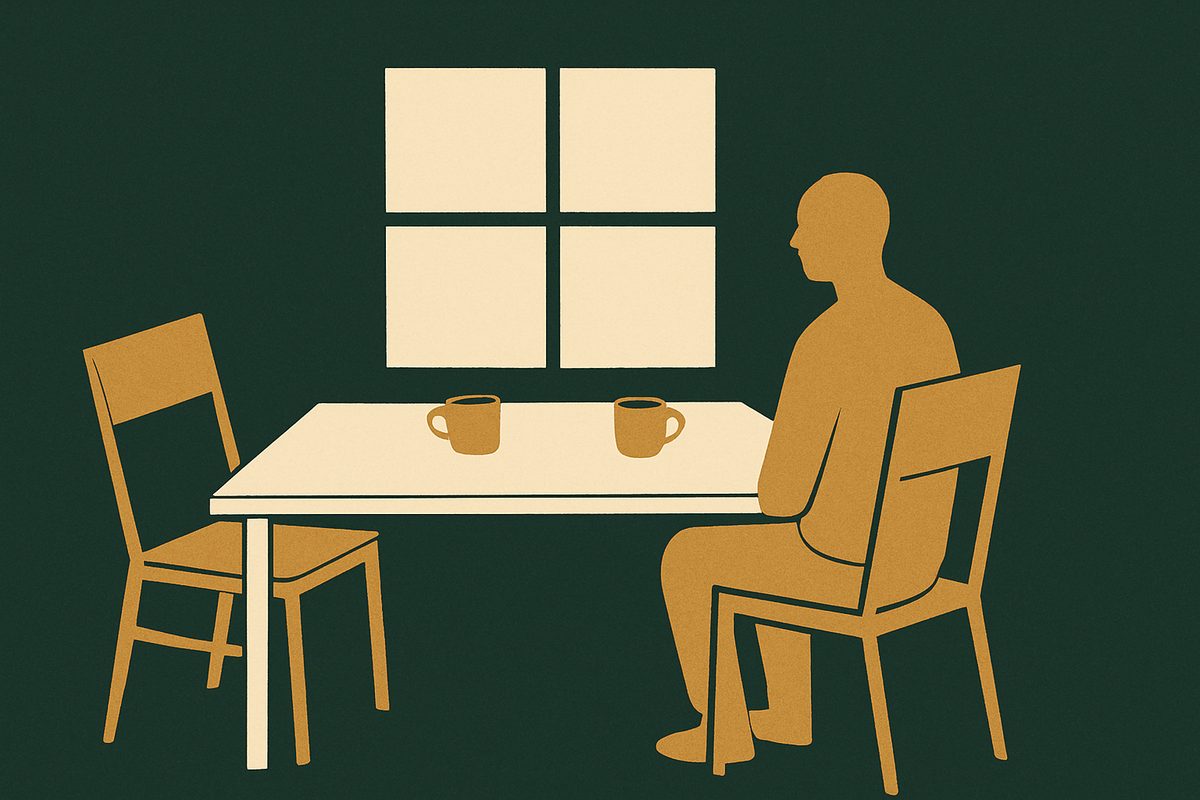
Children, who are affected by every decision and are players in none of them. Also each person's future self, who will live in the arrangement being negotiated now and has no vote in it.
What to look for
- Do we want different things, or the same thing described differently?
- Does one of us know something the other does not — and could we prove it?
- Is anyone unable to concede because of how it would look?
- Who can most comfortably walk away? That is quietly setting the terms.
The shapes that run this field
The Repeated Game
Repetition creates a future cost to defecting today, which can make cooperation individually rational without changing anyone's character.
Shape 04Pure Coordination
Multiple equilibria, no conflict of interest — the whole problem is agreeing which one.
Shape 20Bargaining
Both parties do better with a deal than without one; the negotiation is over the division of that surplus.
Shape 02Chicken
Two equilibria, both lopsided: one side concedes and the other does not. No dominant move.
Shape 09Positive-Sum
An interaction with genuine surplus: cooperation produces more total value than the parties began with.
In practice
Chicken
Both people know the argument is over and neither can be the one who says so.
Positive-Sum
Splitting chores by fairness when splitting them by preference would leave both better off.
The Stag Hunt
Two people who would each do it if they believed the other would, and so neither does.