
20 shapes
The twenty
almost everything turns out to be one of these
Each one comes with how it feels from inside, who usually gets left off the player list, where it lands if nobody moves, what actually changes it — and the near neighbour people mistake it for, with the single question that tells them apart.
 01
01The Prisoner's DilemmaMutual cooperation beats mutual defection, but defecting is the better move whatever the other side does.
4 tellsRead →
 02
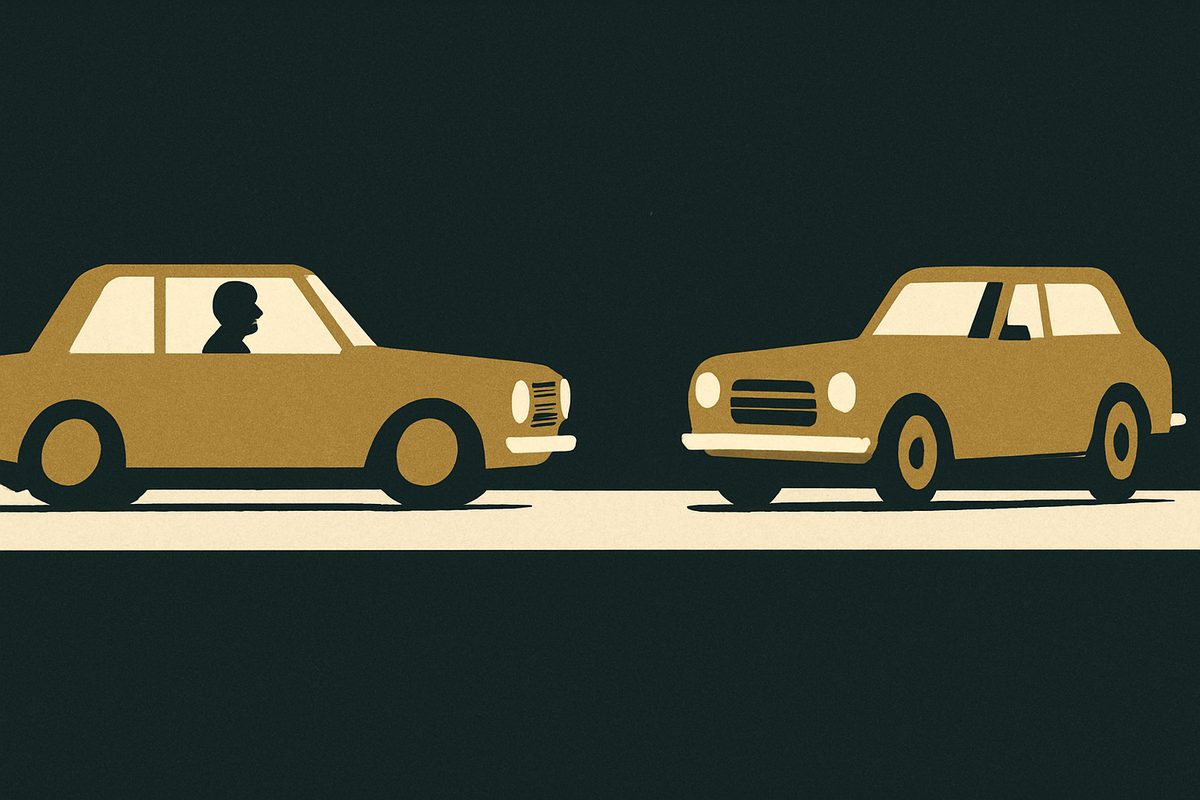
02ChickenTwo equilibria, both lopsided: one side concedes and the other does not. No dominant move.
4 tellsRead →
 03
03The Stag HuntMutual cooperation is the best outcome for everyone, but it is risky — and the safe option is available unilaterally.
4 tellsRead →
 04
04Pure CoordinationMultiple equilibria, no conflict of interest — the whole problem is agreeing which one.
4 tellsRead →
 05
05Public Goods and the Free RiderA non-excludable, non-rival good: contribution is privately costly and the return is shared, so it is underprovided.
4 tellsRead →
 06
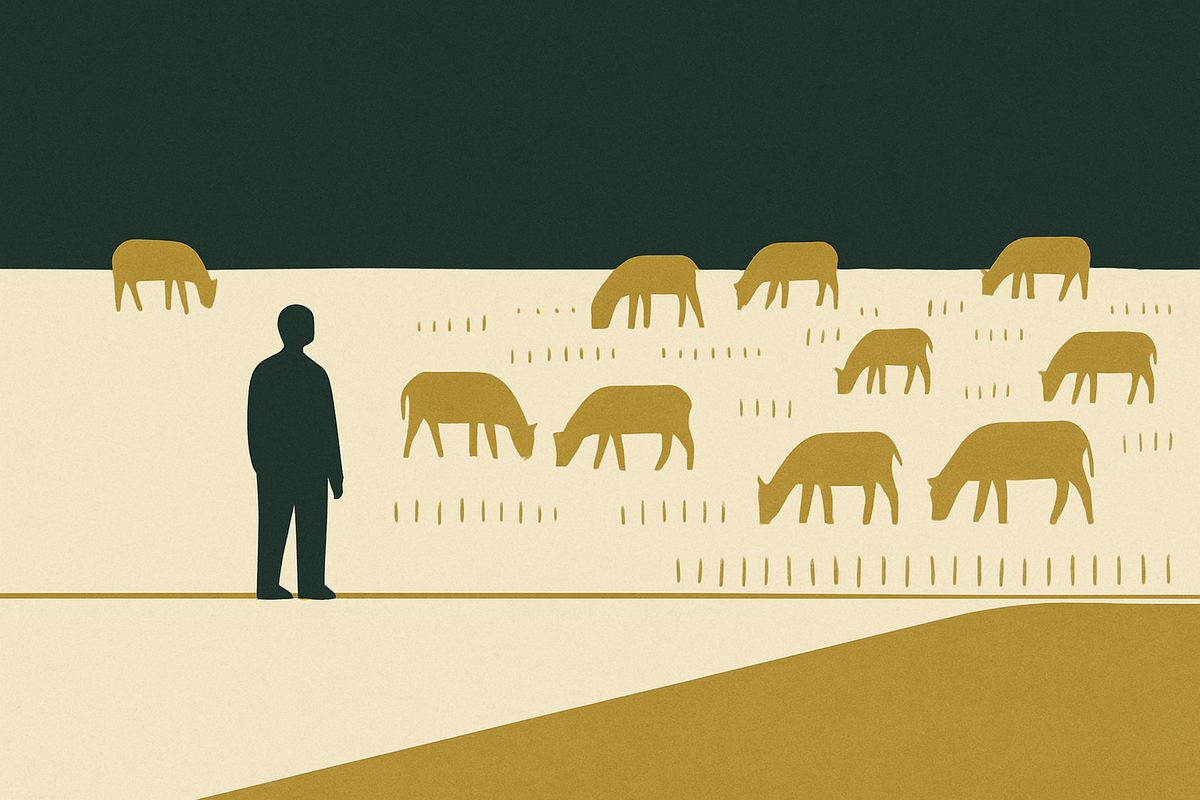
06The CommonsA rival but non-excludable resource: each user's extraction imposes a cost spread across all users.
4 tellsRead →
 07
07The Repeated GameRepetition creates a future cost to defecting today, which can make cooperation individually rational without changing anyone's character.
4 tellsRead →
 08
08Zero-SumA strictly competitive situation where one side's gain is exactly the other's loss.
4 tellsRead →
 09
09Positive-SumAn interaction with genuine surplus: cooperation produces more total value than the parties began with.
4 tellsRead →
 10
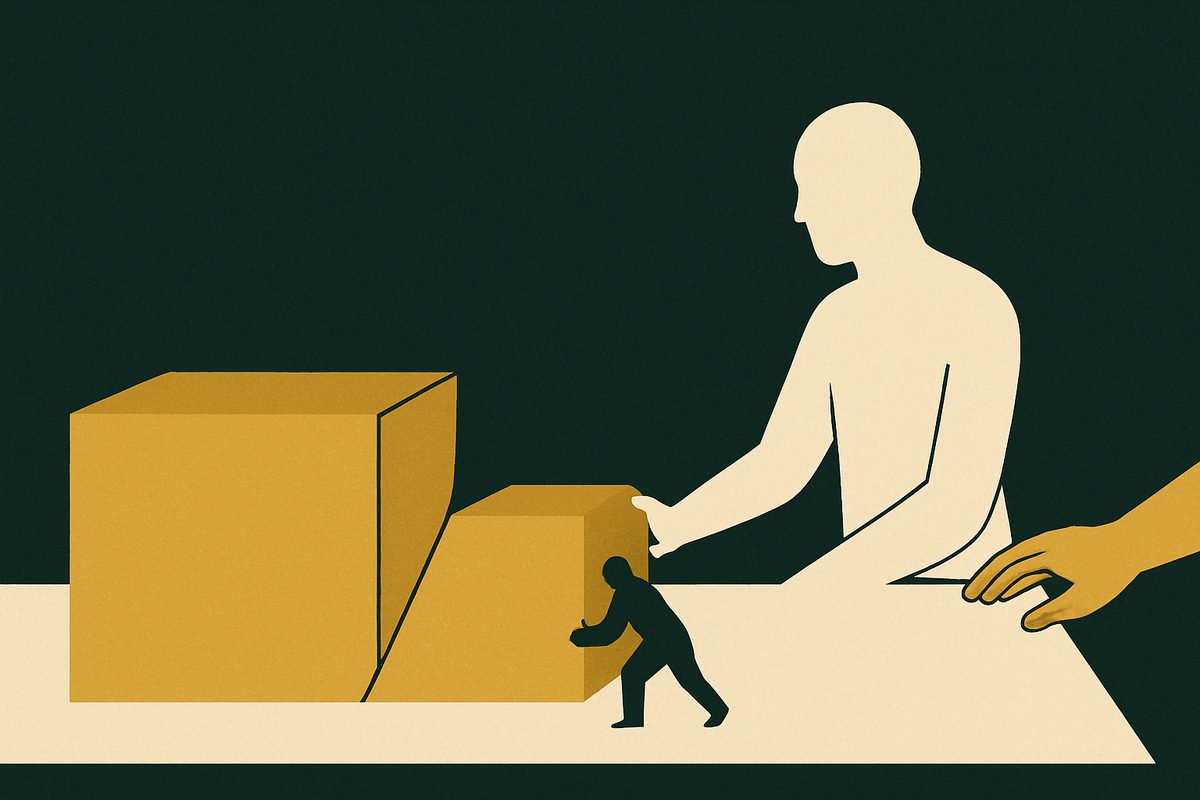
10The UltimatumOne side proposes a split; the other can only accept or destroy the whole thing.
4 tellsRead →
 11
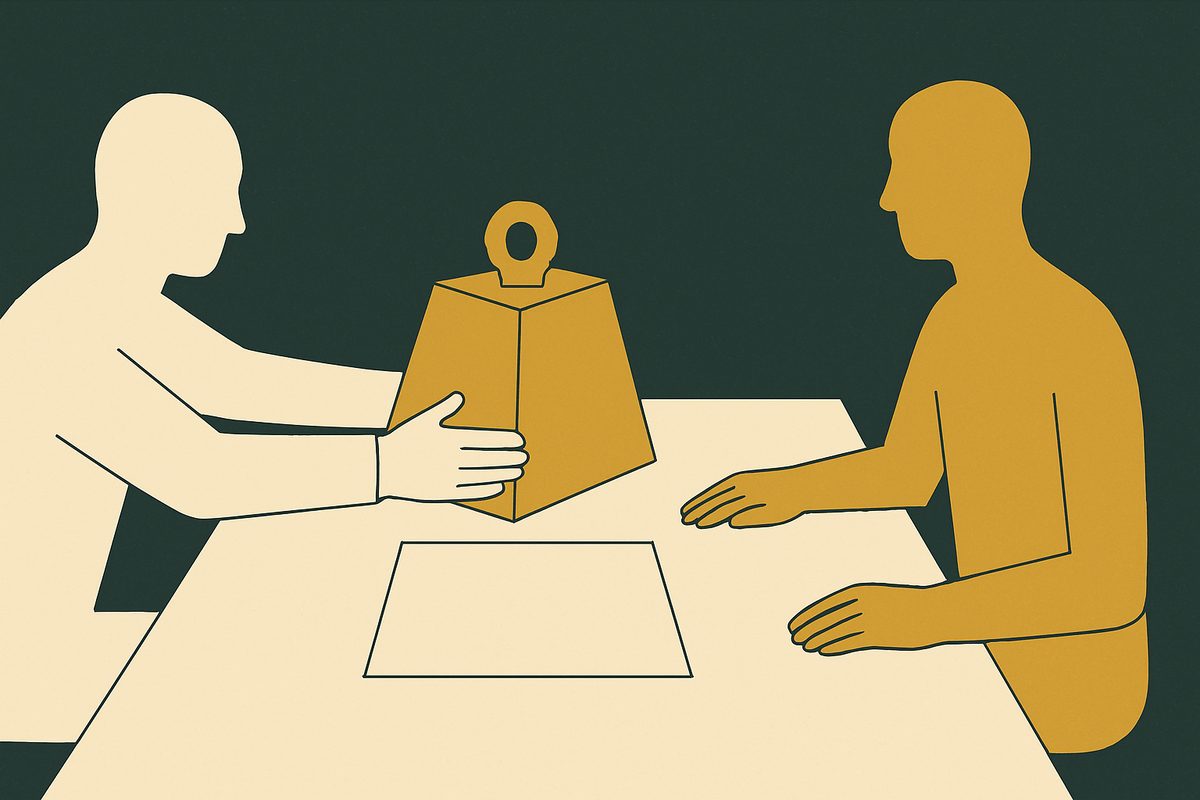
11CommitmentRemoving your own option raises your payoff, because it changes what the other side's best response is.
4 tellsRead →
 12
12Costly SignallingA costly, observable action that reveals private information because faking it would not pay.
4 tellsRead →
 13
13Screening and Adverse SelectionHidden information before the deal. The uninformed side designs the offer so that different types choose differently.
4 tellsRead →
 14
14Principal and AgentA delegated task with unobservable effort and imperfectly aligned interests.
4 tellsRead →
 15
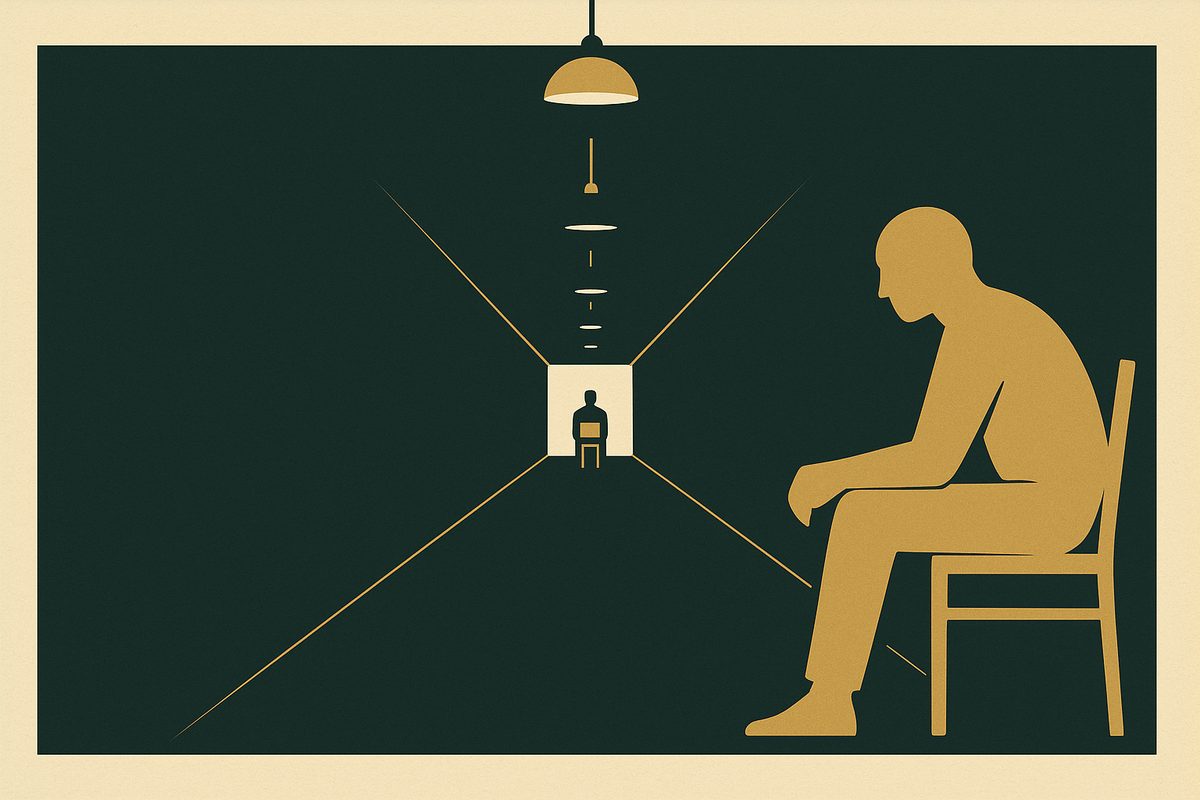
15The War of AttritionA contest decided by endurance, in which waiting is costly to both sides and the cost accumulates.
4 tellsRead →
 16
16EscalationA sequence in which each response justifies the next, and no step is individually unreasonable.
4 tellsRead →
 17
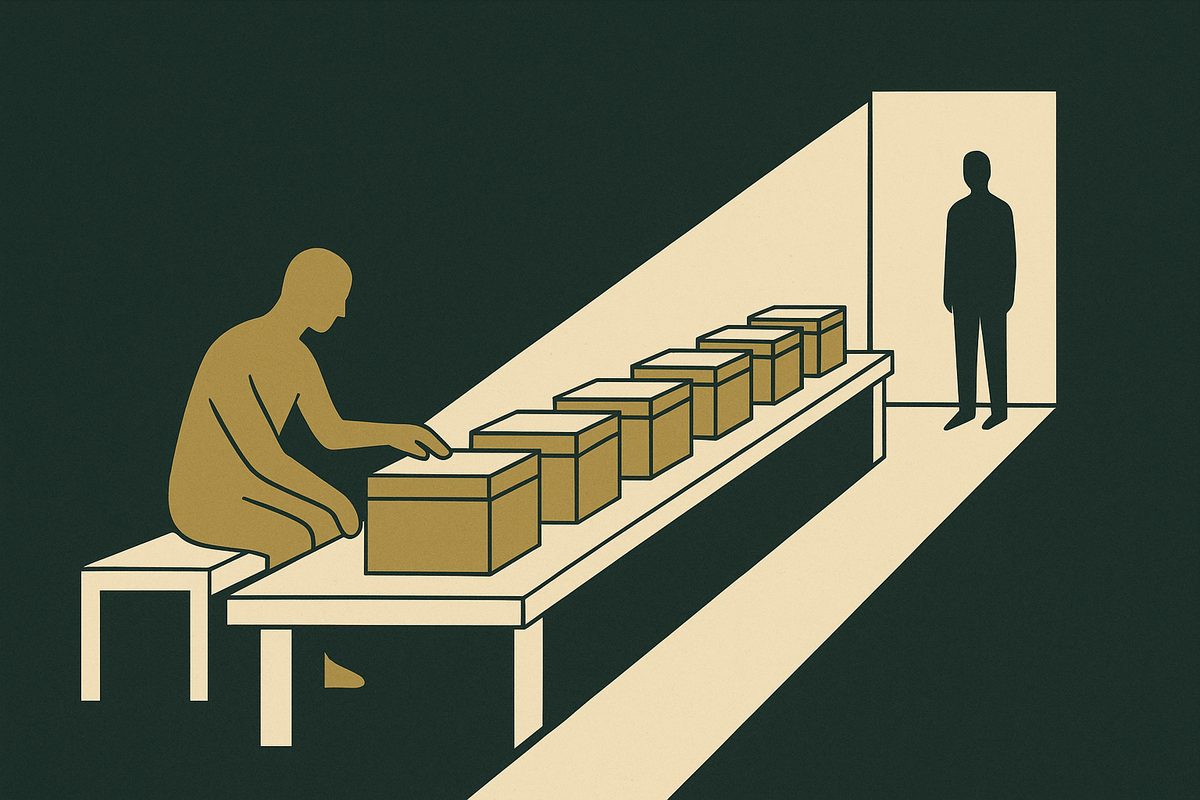
17The Inspection GameA strictly competitive game with no pure equilibrium: the inspector wants to match, the evader wants to miss.
4 tellsRead →
 18
18Auctions and the Winner's CurseIn common-value auctions, winning is evidence you were the most optimistic — so the winner systematically overpays.
4 tellsRead →
 19
19Network Effects and TippingA good whose value to each user rises with the number of users, producing self-reinforcing adoption and lock-in.
4 tellsRead →
 20
20BargainingBoth parties do better with a deal than without one; the negotiation is over the division of that surplus.
4 tellsRead →