
Shape 20 · also called splitting the surplus
Bargaining
Both parties do better with a deal than without one; the negotiation is over the division of that surplus.
The disagreement point does the work. Improve your alternative and your share rises without a word being said; the same is true of patience, since whoever can wait longer captures more of the surplus. Two failure modes recur: treating a multi-issue negotiation as single-issue, which converts a positive-sum problem into a zero-sum one, and negotiating without knowing your own walk-away number, which means conceding under time pressure to an outcome worse than no deal.
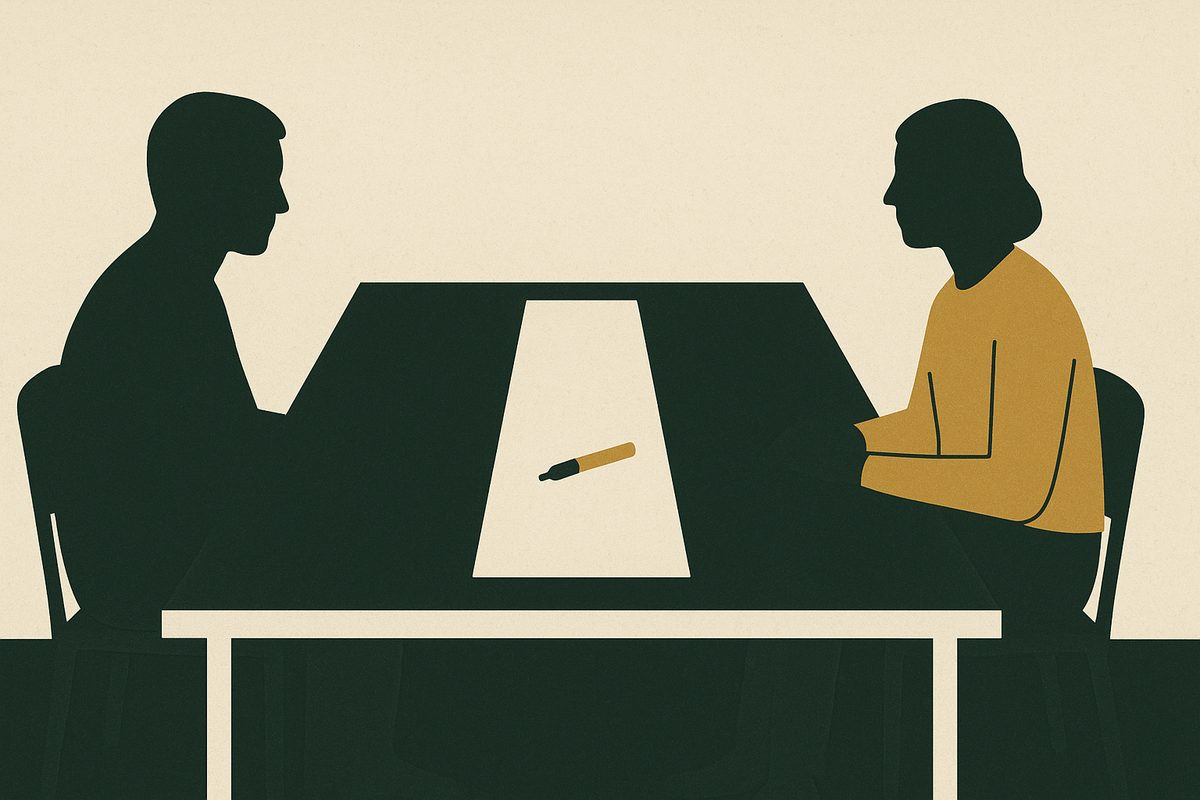
- How it feels
- Both sides genuinely prefer a deal to no deal.
- The argument is entirely about the split, not about whether to trade.
- Whoever is under more time pressure is quietly conceding more.
- Nobody has stated what happens if this simply does not happen.
- Who is playing
- The two parties, plus their alternatives — the other buyer, the other job, the other supplier. Those alternatives are not present and they set the outcome more than anything said in the room.
- Where it lands
- A split determined mostly by each side's alternative and patience, not by argument. Whoever needs it less gets more.
- What moves it
Establish your walk-away number in advance, develop a real alternative, widen the issue set to create surplus before dividing it, and never let time pressure be one-sided without noticing.
Not to be confused with
Nearly every misread in practice is a shape mistaken for its neighbour — and each of those mistakes points you at the wrong fix.
The Ultimatum
Can you counter-offer? If yes it is bargaining and you have far more power than an ultimatum implies.
Positive-Sum
Are you dividing the surplus or creating it? Both are usually present, and doing them in the wrong order costs you the surplus.
Where you have already met it
Work and Careers
Pay negotiation. A competing offer moves the number; being persuasive rarely does.
Law and Courts
Settlement talks, where the disagreement point is the expected trial outcome minus the cost of getting there.
Family and Relationships
Dividing anything jointly owned. The person who can most comfortably wait usually ends up with more.
Politics and Voting
Coalition formation. Who else each party could govern with sets the terms before talks begin.