
Domain 01
Law and Courts
Litigation is a bargaining game played in the shadow of an uncertain trial outcome.
Three structures run most of it. Settlement is a bargaining game where each side's disagreement point is the expected trial outcome less costs, so improving your alternative — or worsening theirs — moves the number more than argument does. Plea bargaining is closer to an ultimatum with a large asymmetry in the cost of refusal. And litigation itself is frequently a war of attrition, where the party who can pay longer wins irrespective of merit. Repeat players behave differently from one-shot parties and consistently do better, because they are optimising across cases while the other side is optimising within one.
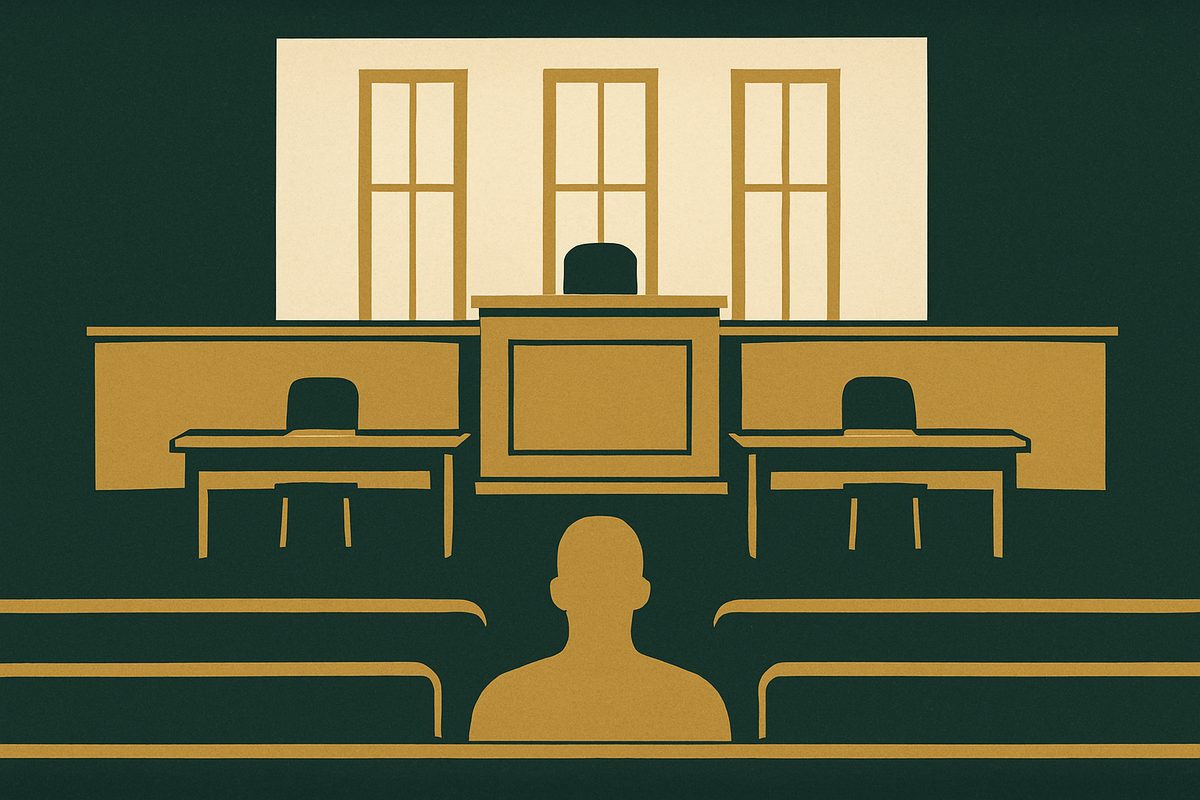
The people the case is actually about, when they are not the ones litigating it — children in a custody fight, workers in a class action, patients in a regulatory dispute. Also the future litigants who will be governed by the precedent and have no representative anywhere in the proceedings.
What to look for
- Who can afford to wait longer? That, not the merits, sets most settlements.
- Is one side a repeat player and the other in court once in their life?
- Who is paying the costs, and are they the same person as the party?
- Is the offer priced on the merits, or on what the other side can bear?
The shapes that run this field
Bargaining
Both parties do better with a deal than without one; the negotiation is over the division of that surplus.
Shape 15The War of Attrition
A contest decided by endurance, in which waiting is costly to both sides and the cost accumulates.
Shape 10The Ultimatum
One side proposes a split; the other can only accept or destroy the whole thing.
Shape 07The Repeated Game
Repetition creates a future cost to defecting today, which can make cooperation individually rational without changing anyone's character.
Shape 12Costly Signalling
A costly, observable action that reveals private information because faking it would not pay.
In practice
The Ultimatum
A settlement offer pitched just above the cost of continuing. It is rational to accept and people frequently refuse — the insult is a real payoff.
The War of Attrition
A well-funded defendant extending proceedings against a claimant who is paying by the hour.
The Repeated Game
An insurer that settles thousands of claims a year against a claimant who has one. Only one side is playing a repeated game.