
Shape 15
The War of Attrition
A contest decided by endurance, in which waiting is costly to both sides and the cost accumulates.
The distinguishing feature is that cost accrues continuously rather than at a terminal crash, which produces the signature outcome: total expenditure frequently exceeds the value of what was contested. The other characteristic is sunk-cost reasoning, which is what keeps people in — the money already spent is gone whatever happens next and is not a reason to continue, and treating it as one is precisely how these run long.
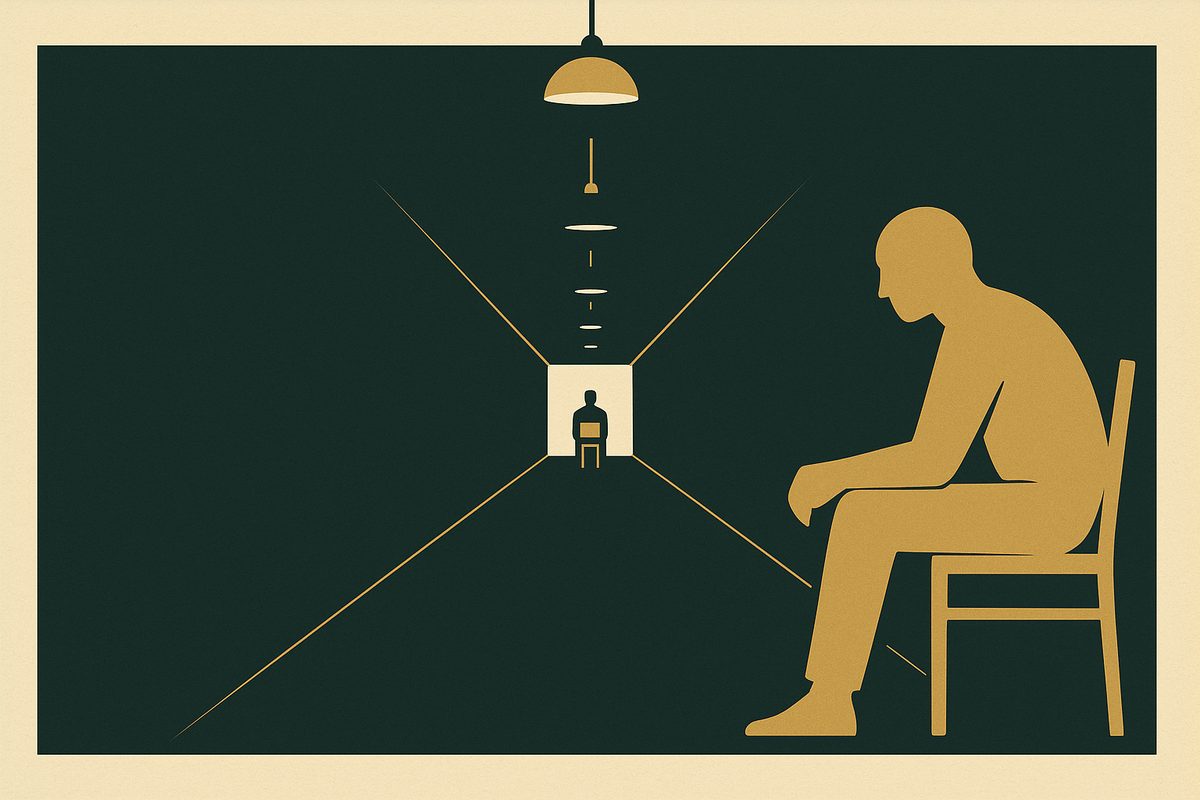
- How it feels
- The cost is per-day, not at the end, and it is falling on both sides.
- Somebody is citing what they have already spent as a reason to continue.
- The original dispute has been overtaken by the cost of the dispute.
- Both sides have privately concluded they cannot afford to have been wrong.
- Who is playing
- The two parties, plus everyone bearing the cost of the stand-off who is not a party to it — staff, customers, patients, children. In most real attrition contests the largest costs are carried by non-players.
- Where it lands
- Whoever can pay longest wins, having spent more getting there than the prize was worth, and both sides describe it afterwards as a victory.
- What moves it
Introduce a deadline or an arbitrator, disclose staying power credibly to shorten the contest, or find the face-saving exit. And check who is actually paying — if the cost is landing on people outside the fight, the internal incentive to stop is missing entirely.
Not to be confused with
Nearly every misread in practice is a shape mistaken for its neighbour — and each of those mistakes points you at the wrong fix.
Chicken
Does the damage arrive once at the end, or every day? Daily accumulation makes it attrition, and deadlines rather than nerve are the fix.
Escalation
Is the stake rising, or just the bill? Attrition holds the prize constant while the cost mounts; escalation raises the stake itself.
Where you have already met it
Law and Courts
Litigation that costs more than the claim. Extremely common and entirely predictable from the structure.
Work and Careers
A strike that outlasts the dispute, where both sides end worse than the offer on the table in week one.
Family and Relationships
A silence that has gone on so long neither person can remember the sentence that started it.
Markets and Money
A price war between two firms that both survive, having destroyed the margin that made the market worth being in.